


1. What roles are included in the list?
Our list encompasses hospital CEOs, CFOs, CMOs, department heads, procurement directors, and other key personnel responsible for strategic purchasing and operations.
2. How often is data updated at ReachStream?
ReachStream refreshes contacts every three months, ensuring you access the latest hospital leadership changes and maintain high deliverability.
3. Which verification process is implemented?
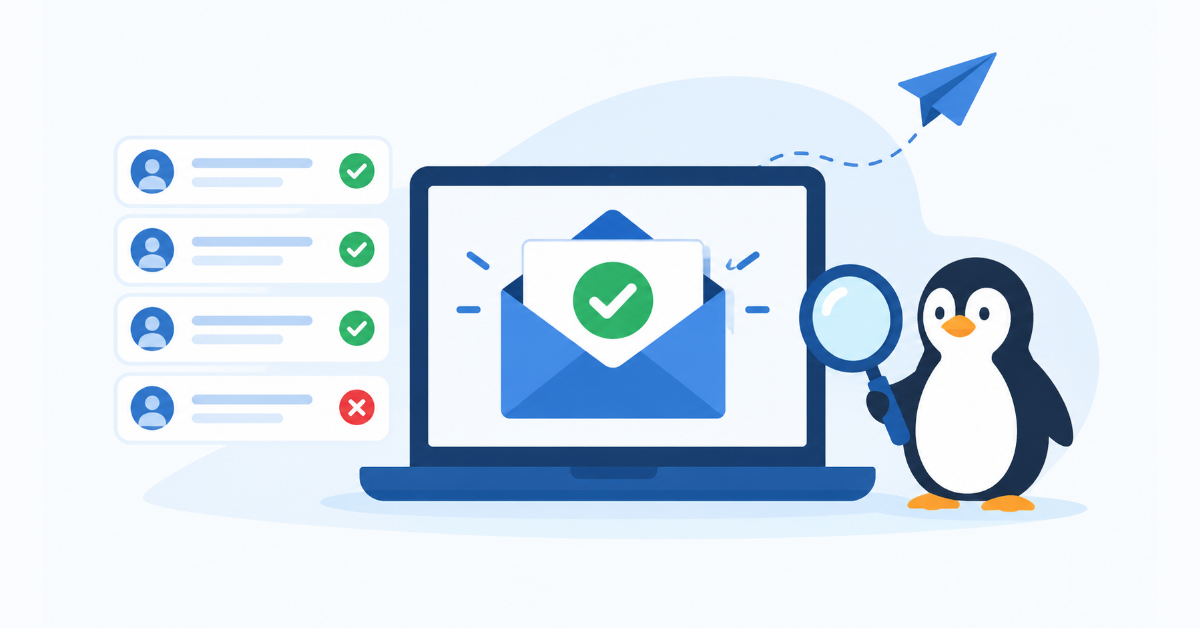
Every healthcare decision-makers contact undergoes seven steps of verification, AI checks, manual reviews, and ESP validation via Gmail, Outlook, and Yahoo.
4. What industries benefit from this list?
Medical device companies, software vendors, pharma firms, staffing agencies, and healthcare suppliers use the hospital decision makers email and mailing list to connect with executives driving hospital decisions.
5. What formats are available for export?
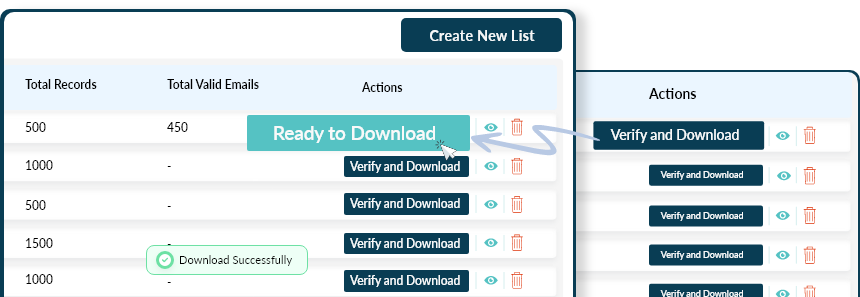
Data can be exported in CSV or Excel formats, making it easy to integrate with CRMs, marketing platforms, or email automation tools for seamless campaigns.
6. Can I start with ReachStream at $0?
Yes. Our Free free plan offers sample access, 200 email views, and 100 export credits monthly. Test the hospital decision makers email list before upgrading.
7. Is the list GDPR and HIPAA compliant?
Yes. Data is ethically sourced and fully compliant with GDPR, CAN-SPAM, and HIPAA guidelines. Compliance ensures safe, responsible, and lawful outreach to healthcare decision makers.
8. How quickly can I access the data?
Once your plan is activated, you get instant access to the Hospital Decision Makers Email List. Download, export, and start campaigns immediately.
9. Can I target by hospital size or location?
Yes. The database allows segmentation by hospital size, region, role and other relevant data fields. This ensures your campaigns reach the most relevant decision makers in healthcare.
10. Can this list improve my ROI?
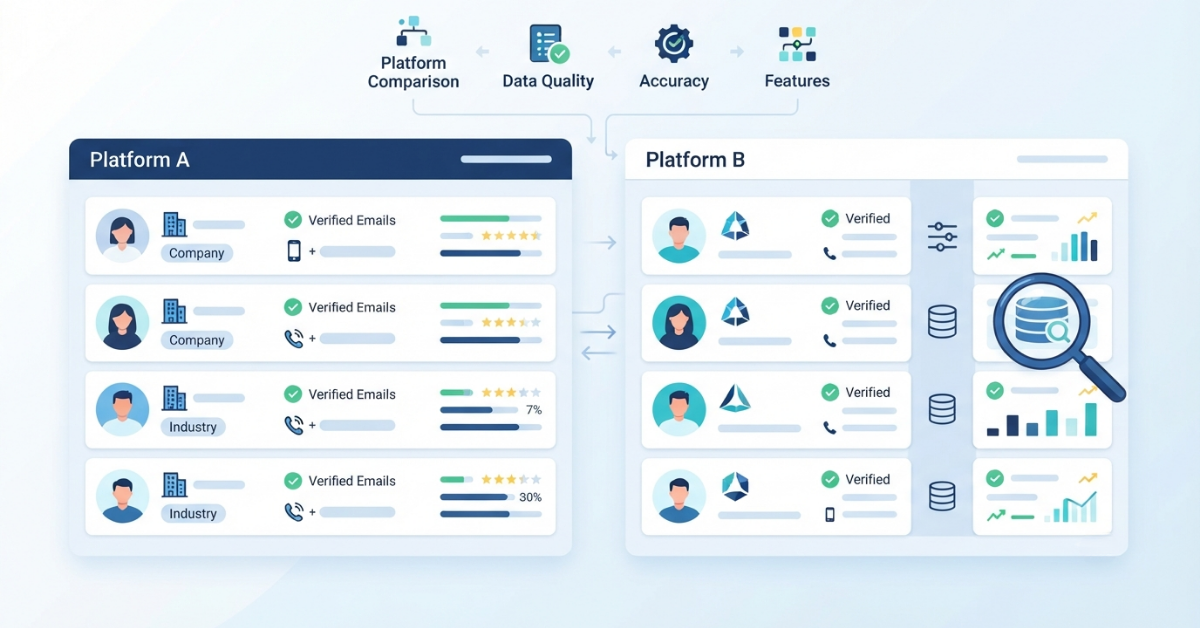
Yes. By reaching verified hospital decision makers, your outreach achieves better engagement, stronger lead quality, and improved conversions compared to generic databases.